Allergies are a constant irritation that can cause itchy eyes, runny nose and sneezing. Duct cleaning has been shown to reduce allergen levels in the home, but it’s important to consider other sources of dust and irritants.
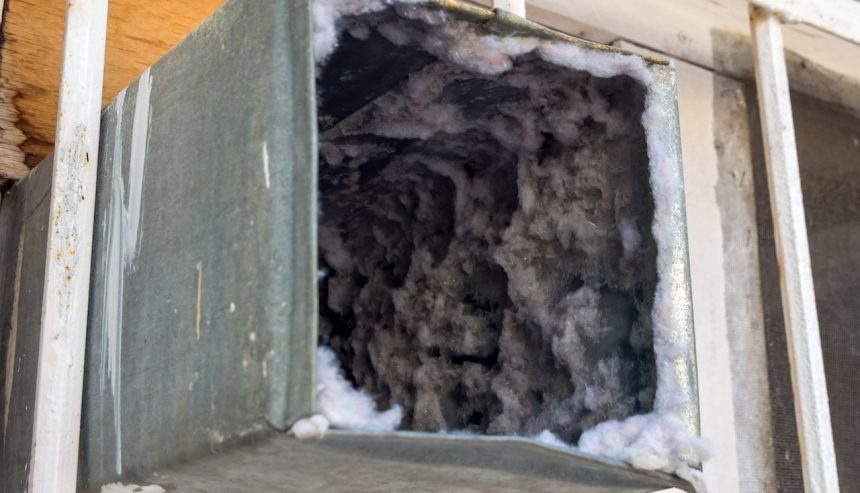
Air ducts act as pathways for heating, cooling and ventilation systems throughout a building. As such, they can build up with dirt, pet dander, mold, smog and other allergens. Visit Air Duct Cleaning Utah to learn more.
Pollen
Allergies can affect the nose, eyes, lungs and skin. They occur when your immune system mistakenly sees certain particles, like pollen, as threats and attacks them. The proteins in pollen cause a runny nose and itchiness when they are breathed in. Pollen is a fine powdery substance produced by grasses, weeds and trees during reproduction. It’s released into the air during the spring and summer and carried by wind to other plants to fertilize them. This is why allergy season tends to be in the spring and summer.
Pollen binds to receptors on cells in the nose and throat, which triggers an immune response in the body. The inflammatory response causes the mucous membranes to swell, producing a runny nose and itchy eyes. This is called seasonal allergic rhinitis, or hay fever.
The lipid mediators in pollen can also activate dendritic cells and promote Th2 polarization. This results in increased ROS levels and the production of inflammatory cytokines. Inflammatory cytokines are chemical messengers that can cause a wide range of symptoms, including rhinitis, sinusitis, asthma and nasal polyps.
A common way to treat allergies is by avoiding the substances that trigger them. This includes staying indoors when pollen counts are high, using a vaporizer or humidifier when it’s dry outside, washing your sheets and vacuuming your carpets often. You can also try using antihistamines, which help block your body’s natural histamine release and relieve allergy symptoms.
Dirty air ducts can trap dust, pet dander, dirt, mold, smog and other allergens and then distribute them throughout your home. This can make your family sick and aggravate asthma, which is why you should have your air ducts cleaned at least once every 3-4 years.
Air duct cleaning involves removing dirt and other impurities from the walls, ceilings and surfaces of your house’s ventilation system. This is usually done by hand with a brush and vacuum cleaner, or by using a power-washing system. The resulting clean air can ease breathing problems, prevent the recurrence of allergies, and improve your home’s overall health. It can even save you money in energy costs by making it easier to keep the temperature comfortable.
Dust
Dust can trigger allergy symptoms in people with asthma and allergies. The allergens in dust can include animal dander, dust mites, mold and more. The immune system tries to remove these allergens from the body, but in some cases the immune response is too strong and leads to inflammation. This can lead to a variety of health problems, including chronic obstructive pulmonary disease (COPD) and asthma.
Air ducts create a network throughout a house to move heated or cooled air, which can circulate dust and other contaminants through a home. Over time, this dust can build up and block the flow of air. Air duct cleaning services typically clean the air vents and other parts of a home’s ventilation system using special blowers, vacuums and brushes. They also seal the ducts to prevent future debris from entering the system.
Before hiring an air duct cleaning company, make sure they’re licensed and insured. Ask for references and check with the Better Business Bureau to find out if complaints have been filed against them. Additionally, a legitimate company will use high-powered vacuum equipment that exhausts the particles outside your home. If you suspect biological growth, such as mold or other microorganisms, ask the service provider to show you samples from a settling plate. This is the only way to positively identify such growth.
It’s important to understand that there’s no scientific proof that air duct cleaning can reduce allergies. However, many people have reported that their allergies improved after having the ducts cleaned.
If you have allergies, it’s important to do everything you can to keep them under control. That includes avoiding pollen and other allergens, maintaining proper indoor air quality, keeping surfaces clean and regularly changing the filters in your furnace and air conditioner.
If you notice that your allergies are worse than usual, it may be time to have your ducts cleaned. Just make sure to research the companies carefully and choose one that uses professional equipment, specializes in air duct cleaning and is fully licensed and insured. Then you can enjoy the fresher air and fewer allergy symptoms!
Pet Dander
Pet dander is the tiny flecks of skin shed by cats, dogs, rodents and other animals with fur or feathers. It is extremely lightweight and can easily become airborne, settling on furniture, bedding, fabrics and other items. Pet dander can also stick to the hair and skin of people who live with pets, creating a rash, itching or causing breathing problems. Proteins found in pet saliva, urine and feces can also cause allergic reactions.
When a person is allergic to a particular allergen, their immune system reacts by sending proteins called antibodies to the area. These proteins recognize the allergen as harmful and cause the airway passages to swell, which makes breathing difficult. This is why allergy symptoms often appear during or shortly after exposure to the allergen.
A variety of medications can help relieve allergy symptoms, including over the counter antihistamines and decongestants, as well as leukotriene modifiers for those with severe bronchitis or asthma. A visit to an allergist or immunologist can also be helpful, as they have specialized training and experience in identifying allergens, diagnosing the severity of symptoms and developing treatment plans.
An expert can also recommend ways to reduce the amount of pet allergens in the home. These include frequently washing surfaces, using a HEPA filter in the vacuum cleaner and removing rugs, which trap dander. It is also a good idea to have someone who does not suffer from pet allergies brush and bathe the pet, and to use a nontoxic, scent-free shampoo.
Unfortunately, it is not always possible to eliminate pet allergens from the home environment. Some people must find new homes for their beloved furry companions when they discover they are allergic. However, with the right diagnosis and the proper medication, many people can enjoy their relationships with their pets while managing allergy symptoms. For those who cannot part with their pets, the AAAAI’s Find an Allergist / Immunologist service can connect them with specialists close to home. Duct cleaning is an important part of improving indoor air quality, but addressing allergens throughout the home is even more critical for those with allergies and asthma.
Mold
Mold is a type of fungi that grows in warm, damp places. It releases spores that can be breathed in. People who are sensitive to the spores can have an allergic reaction. These symptoms can include coughing, sneezing, congestion and itchy eyes. According to the Asthma and Allergy Foundation of America, black mold can also make you feel tired and cause headaches.
The immune system identifies and attacks the fungus as something that is foreign to the body, which is why it can trigger an allergic reaction. A person with a weakened immune system can get invasive mold infections (IMIs). These are serious illnesses that affect blood vessels, deep tissues or organs. They are caused by breathing in mold spores, getting them into cuts and wounds or by using contaminated medical equipment. Mold spores can be found indoors and outdoors, so there is no way to avoid exposure.
Researchers are still learning about how mold spores affect the human immune system. Some research suggests that certain strains of mold, such as Aspergillus fumigatus, are more allergenic than others. The fungus produces mycotoxins, which are poisonous substances that can affect the human body. Mycotoxins can be harmful to the respiratory, gastrointestinal, nervous and reproductive systems.
Research shows that people who are allergic to mold can develop severe asthma. However, there is no evidence that the mold causes this. The allergy might be triggered by other factors.
To determine if you have a black mold allergy, your healthcare provider can do a blood test. They will withdraw a small amount of blood from your arm with a needle that is slightly smaller than a standard earring post. Then they will send the blood to a laboratory for testing. The lab will measure the amount of IgE in your blood that binds to the black mold spores.
When you choose an air duct cleaning company, be sure to check online reviews and request references. Ask the company to provide you with a written quote that includes all services and costs. Be wary of companies that offer suspiciously low prices. They may be engaging in bait-and-switch tactics to upsell you on unnecessary services.